
An Evening at the New World Symphony
December 2025
From your residence at Four Seasons Private Residences Coconut Grove, Miami's cultural calendar unfolds with distinct ease. Take an evening at the New World Center: Frank Gehry's luminous concert hall on Miami Beach has become a debut stage for the country's most promising young orchestral talent, and its season — packed with everything from Mahler symphonies to avant-garde chamber music — rewards everyone in attendance. The drive is a scenic 25 minutes across Biscayne Bay, long enough to trade the Grove's canopy-shaded calm for South Beach's Art Deco glow. Pair the performance with dinner at one of two excellent nearby restaurants, and you’ve turned an average weeknight into a magical evening.
South of Fifth is the quieter, more residential end of South Beach, where boutique hotels thin out and limestone condos begin. Stubborn Seed fits the neighborhood. Chef Jeremy Ford, a Top Chef winner who returned to Florida with a farm and a plan, runs a tasting menu that leans heavily on what he grows himself in Redland. The cooking is modern American with a Miami sensibility: celery root croquettes arrive with beef bacon jam, pastas look almost too pretty to eat, and his signature chicken, the one from the show, remains the star. The space has clean lines, an open kitchen, and a smart-casual dress code (a tie isn't required, but points if you wear one). The bar pours strong cocktails and Japanese whisky, and the wine list works as well with shellfish as it does with short ribs. His staff knows the menu backwards and forwards, which helps when you're debating six courses versus nine.
For a different approach entirely, there's Pao by Paul Qui inside the Faena Hotel. This restaurant is pure theater: a gold-leaf dome overhead, Damien Hirst's golden unicorn sculpture in the center, marble floors throughout, and an ocean view that feels curated. Paul Qui earned his James Beard award and Top Chef title before opening here, and his menu reflects that pedigree — modern Asian cooking that borrows from Manila, Tokyo, Paris, and Barcelona, without losing the plot. His Wagyu bao turns street food into something you photograph. His aguachile balances raw scallop with pineapple and black lime. The foie gras torchon, paired with miso caramel and pickled mango, makes the case for unlikely duos. Qui finishes fish and beef tableside on a binchotan grill, the Japanese white charcoal that burns clean and hot and makes you appreciate an artisanal craft in real time. The beverage program matches the setting: rare sake poured into chilled crystal, a smoked pineapple old fashioned, a wine list heavy on white Burgundy and grower Champagne. Dessert is reimagined — ube ice cream, coconut crumble, kaffir-lime milk from a brass teapot. Here, you're two miles from Gehry's hall, close enough that lingering over a third cocktail won't cost you your seats.
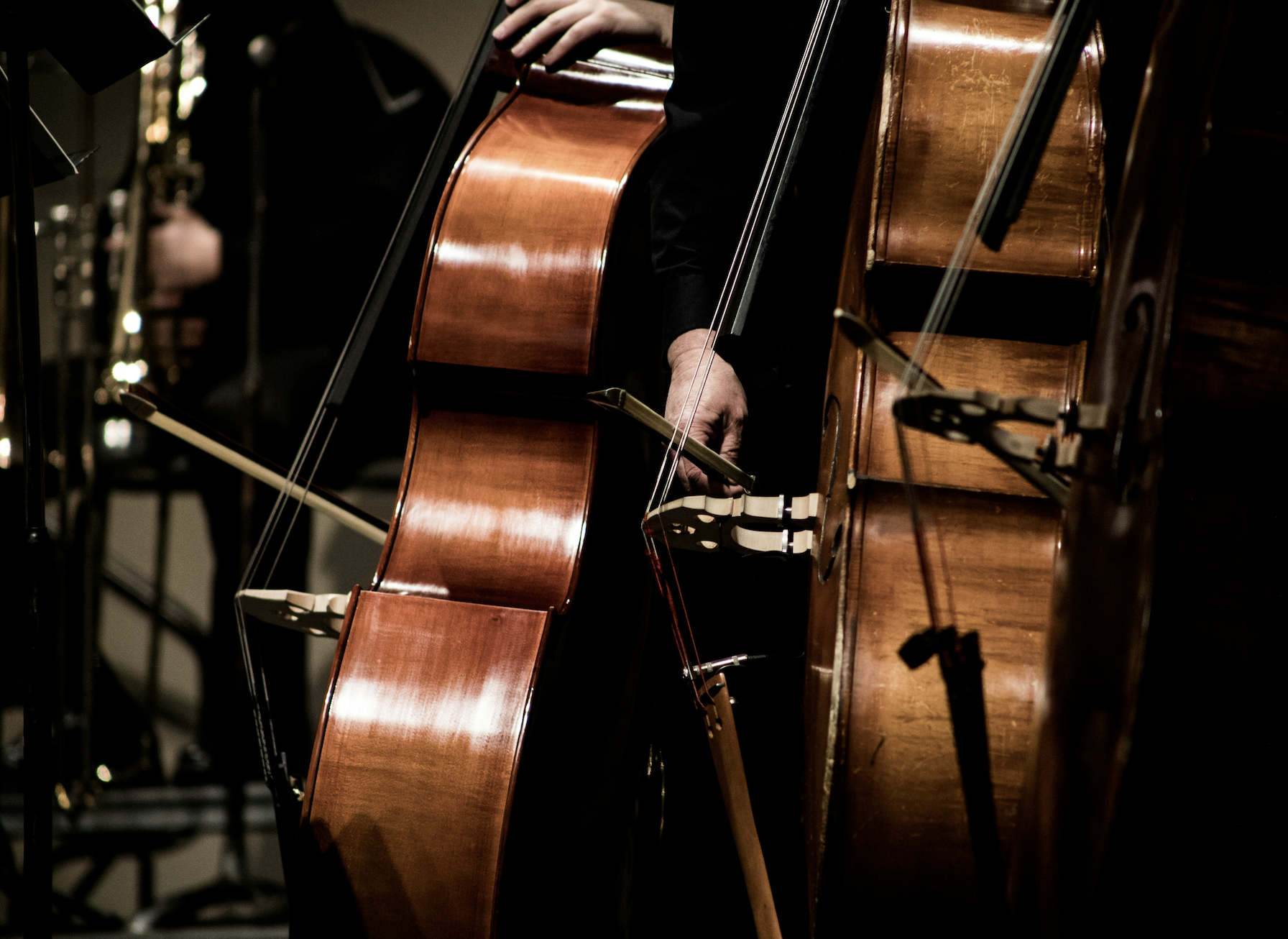
Frank Gehry designed the building in 2011 with acoustician Yasuhisa Toyota — the same team behind the Walt Disney Concert Hall, and the result is a white glass-and-plaster structure, rectilinear and understated, that matches the Art Deco vocabulary that defines South Beach. Inside, Gehry's language takes over: curved walls, a jumbled stack of over thirty rehearsal rooms and offices, an atrium that floods with daylight. The 756-seat concert hall is steeply raked, so no one sits more than thirteen rows from the stage. You're close enough to watch the musicians' fingers, close enough to hear the bow pull across the string. Sail-like acoustic panels hang from the ceiling for video projections, and the sound is tuned precisely enough that even the softest passage among the cellos reaches the back row. The building houses the New World Symphony, an orchestral academy where recent conservatory graduates refine their craft before joining major American orchestras.
December brings Manfred Honeck conducting Mahler and Haydn. January features composer John Adams with Icelandic pianist Víkingur Ólafsson. February includes bass-baritone Davóne Tines performing a program that weaves classical repertoire with gospel and American protest songs. Select performances are broadcast twice a month onto a 7,000-square-foot exterior wall in the adjacent SoundScape park, with 155 speakers delivering the sound — free and open to the public. Michael Tilson Thomas, the symphony's artistic director and a longtime Gehry friend, built the center around making classical music approachable: QR codes during performances for program notes, video art on the wall during Art Basel, and a working assumption that audiences will come back if you give them something worth hearing.
The evening ends with the drive back across the causeway — bay water catching moonlight, the skyline receding behind you — and within half an hour you're home at Four Seasons Private Residences Coconut Grove. The tower's 70 residences and four penthouses occupy 20 stories of bayfront calm, designed by Luis Revuelta with interiors by Michele Bönan. Private elevator foyers, 11-foot ceilings, Italian kitchens by Molteni&C — the kind of details that matter when you're building a life, not just buying a unit. Four Seasons services handle the rest: 24/7 concierge, housekeeping, lifestyle coordination. And as a resident, you’ll be in close proximity to the sister property, Four Seasons at The Surf Club in Surfside — beach retreat, poolside cabanas along historic Cabana Row, and Thomas Keller's The Surf Club Restaurant. Nights like this one — dinner, Gehry, music, home by midnight — become easy when you live somewhere designed to make them possible. For details on availability and residence specifications, contact the Four Seasons Private Residences Coconut Grove sales team today.


